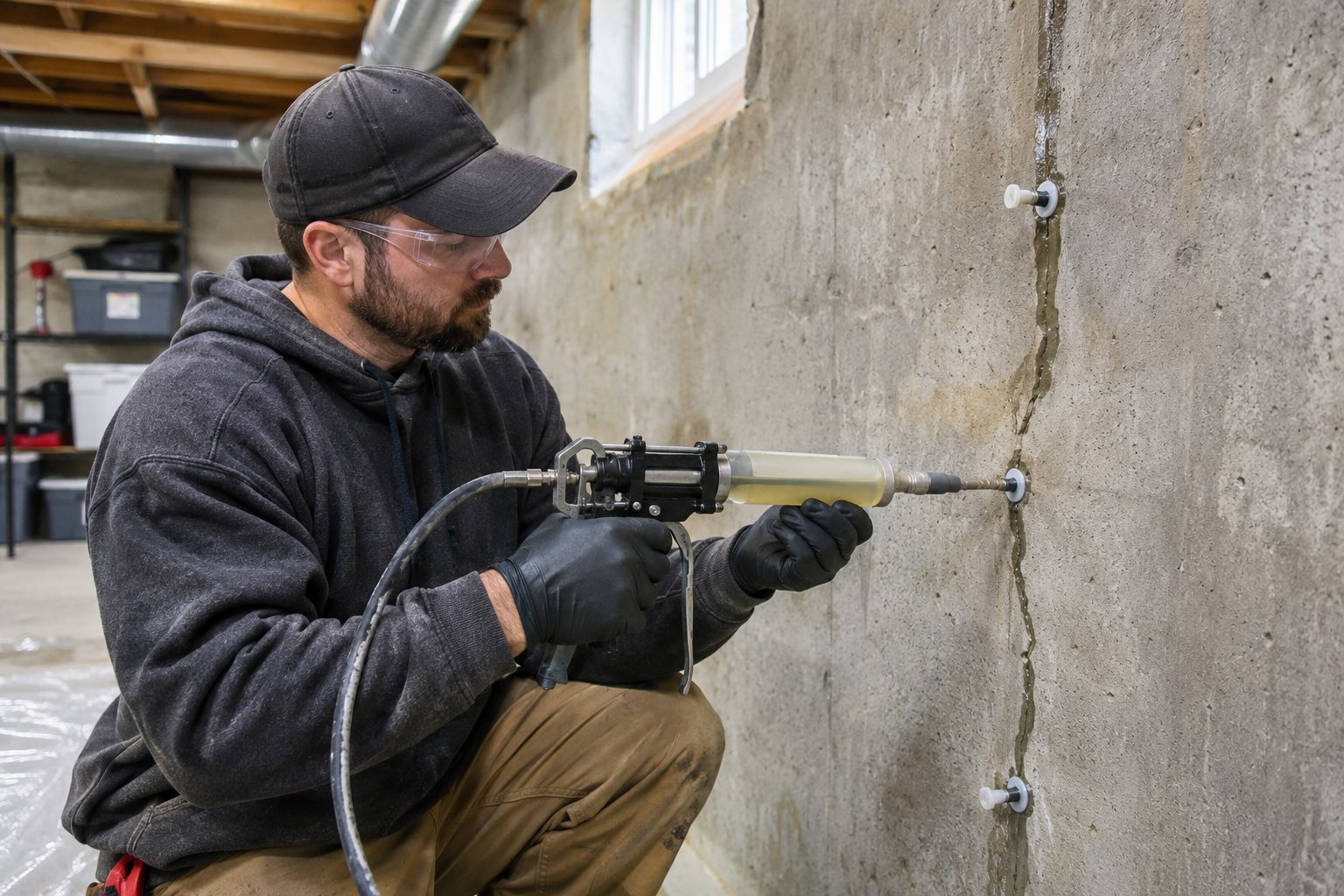
Basement Water Removal Equipment
Sump Pump Installation in Fort Wayne
Need a better way to remove basement water? Get a Free Estimate
Basement Water Removal Equipment
Need a better way to remove basement water? Get a Free Estimate
A sump pump moves collected water out of a basement before it spreads across the floor. During periods of heavy rainfall or saturated ground, a properly designed collection and pumping arrangement can be an important part of basement water management in Fort Wayne.
Installing a sump pump involves more than placing a pump in a pit. Basin size, expected inflow, the discharge path, available electrical power, and the home's drainage arrangement all matter. If your existing pump runs constantly, fails to start, or cannot keep up during storms, it may be time to review the setup. We help homeowners understand their installation options and the conditions that affect pump performance.
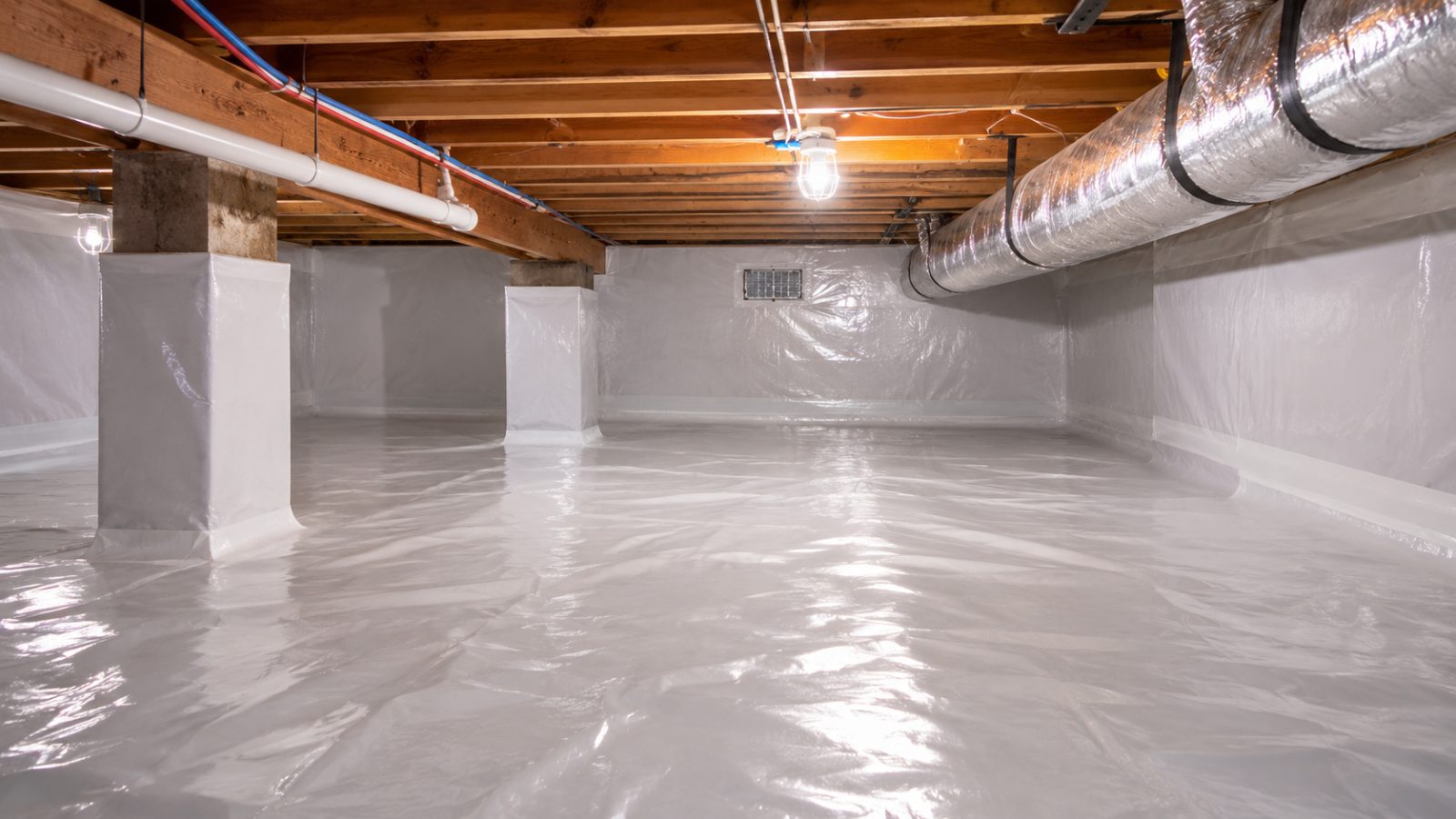
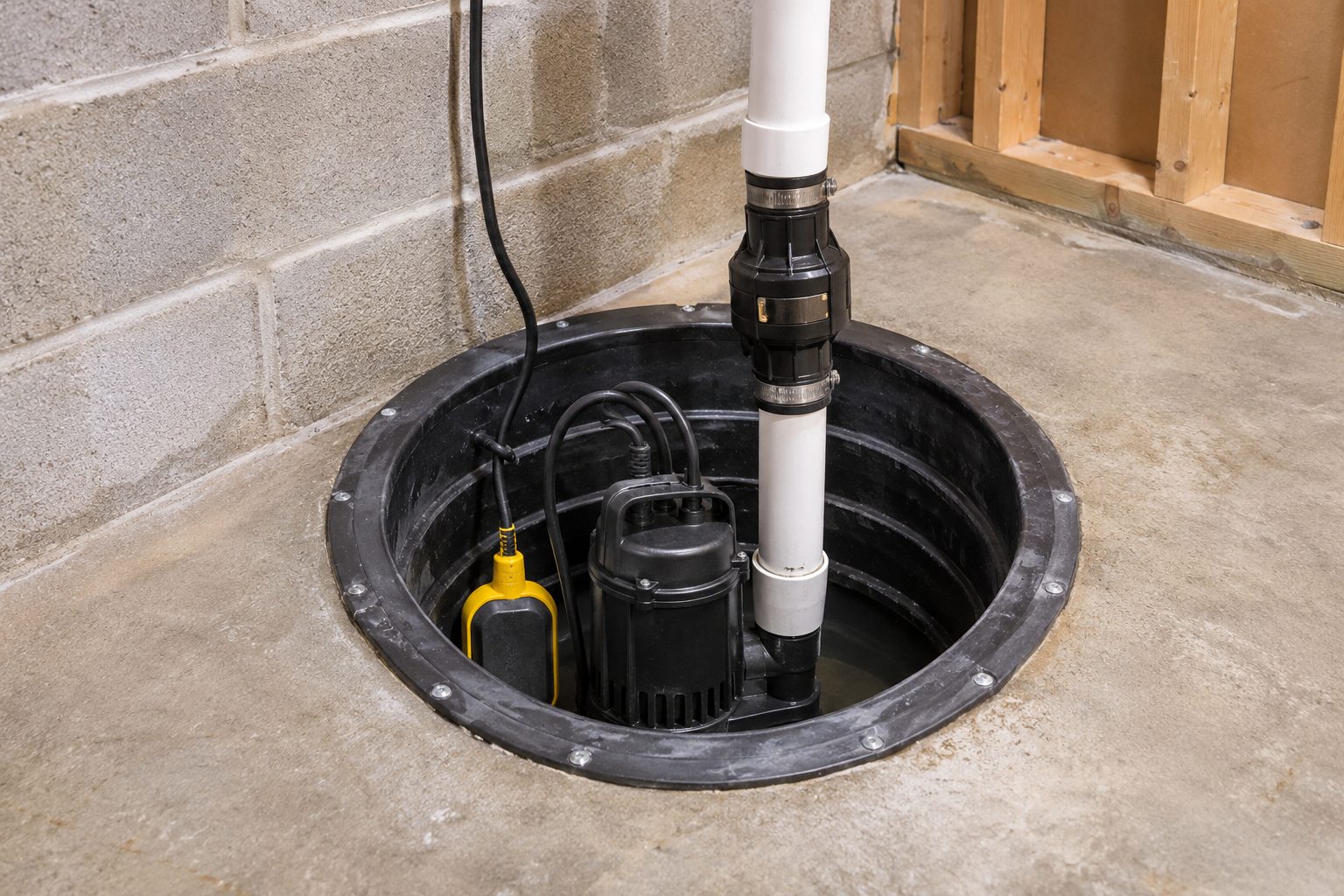
## How a Sump Pump Protects a Basement Water flows into a sump basin from connected drains or surrounding collection areas. When the water reaches a set level, the pump activates and pushes it through a discharge pipe. The discharge must move water away from the foundation to an appropriate location. ## What Determines Pump Suitability The amount of incoming water, pumping height, pipe configuration, and expected operating frequency can affect which equipment is appropriate. The complete setup is as important as the pump itself.
A new sump pump installation may be appropriate when a basement has recurring water accumulation and lacks an adequate removal system. The proposed arrangement should match the collection method and actual moisture conditions. Basin placement, access for maintenance, electrical requirements, and discharge routing are important planning details. A pump without an appropriate collection path may not resolve seepage elsewhere in the basement.
An existing sump pump may need replacement if it repeatedly fails, makes unusual noises, or cannot manage water during normal operating conditions. The cause of poor performance should be considered before selecting another unit. Replacement planning also includes reviewing the basin, float operation, check valve, and discharge line. Sometimes the surrounding arrangement contributes to the problem.
A power outage during a severe storm can stop a standard electric sump pump when water removal is most important. Battery backup systems may provide an additional way to pump water during a limited power interruption. Backup runtime and pumping capacity depend on the equipment, battery condition, and water demand. Homeowners should understand these limitations when comparing backup options.
Discharge water should not simply return to the soil immediately beside the foundation. Poorly positioned outlets can contribute to recurring saturation near basement walls. Planning should consider grade, freezing conditions, erosion, and local drainage requirements. An appropriate outlet helps the pumping system accomplish its intended purpose.
Sump pumps rely on moving parts and switches that should be checked periodically. Debris, stuck floats, obstructed discharge pipes, and power problems can interfere with normal operation. Homeowners benefit from understanding how to recognize unusual cycling, test the pump according to manufacturer guidance, and respond when the system does not operate as expected.
We consider the basin, pump, discharge, and incoming water together.
Power interruptions, blocked outlets, and insufficient capacity are relevant parts of the discussion.
We explain the purpose of proposed equipment and what maintenance may be required.
Discuss sump pump installation or replacement for your Fort Wayne basement.
Free — no obligations
Determine when and where water collects and whether a system is already present.
Consider collection, pump capacity, discharge, power, and backup options.
Explain the basin and pump arrangement and how water will leave the building.
Review testing, maintenance, and signs that equipment may need attention.