Foundation Condition and Repair
Foundation Repair in Fort Wayne, IN
Concerned about a foundation crack or wall movement? Get a Free Estimate
Foundation Condition and Repair
Concerned about a foundation crack or wall movement? Get a Free Estimate
Foundation problems may first appear as cracks in basement walls, uneven surfaces, bowing masonry, or doors that begin sticking. Some signs develop gradually, while others become noticeable after prolonged wet weather or changes in soil moisture. Fort Wayne homeowners should pay attention to cracks that widen, walls that move, and moisture that repeatedly enters through the foundation.
Our foundation repair service is centered on understanding the condition before selecting a repair method. Concrete shrinkage, settlement, soil pressure, and drainage problems can produce different symptoms. Water-resistant sealing does not replace structural stabilization, and a cosmetic patch will not correct ongoing movement. We help homeowners identify the appropriate next steps based on the visible warning signs.
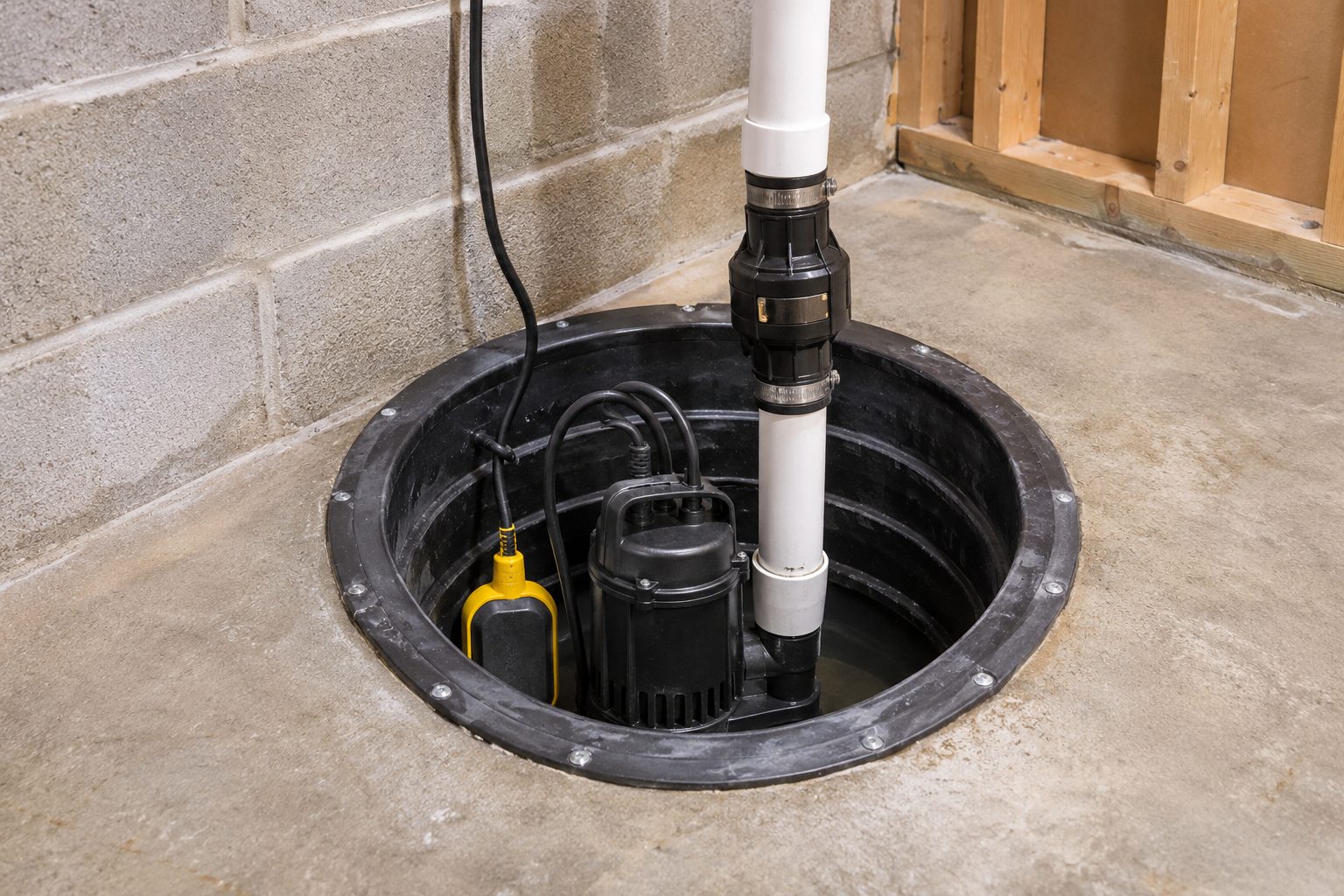
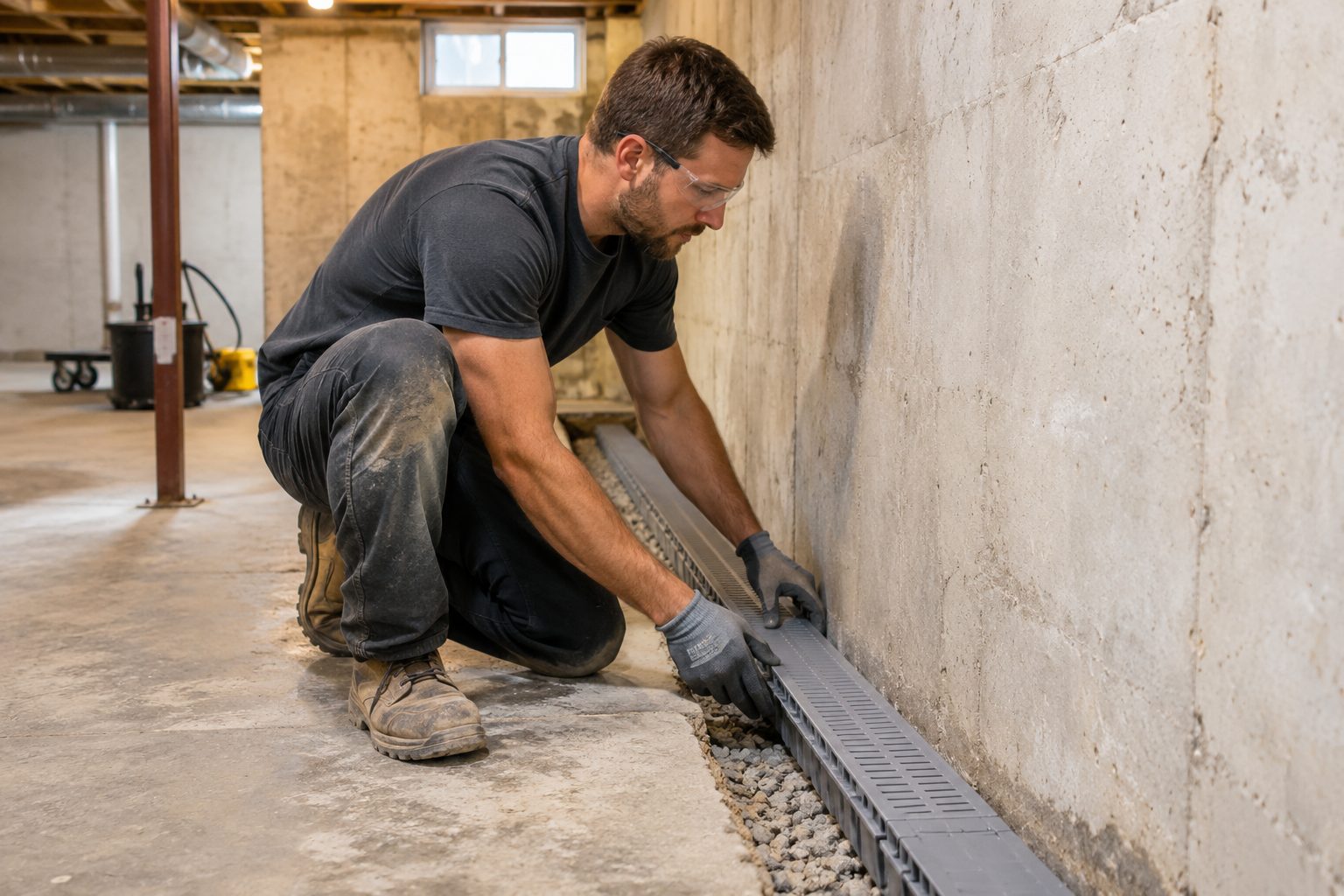
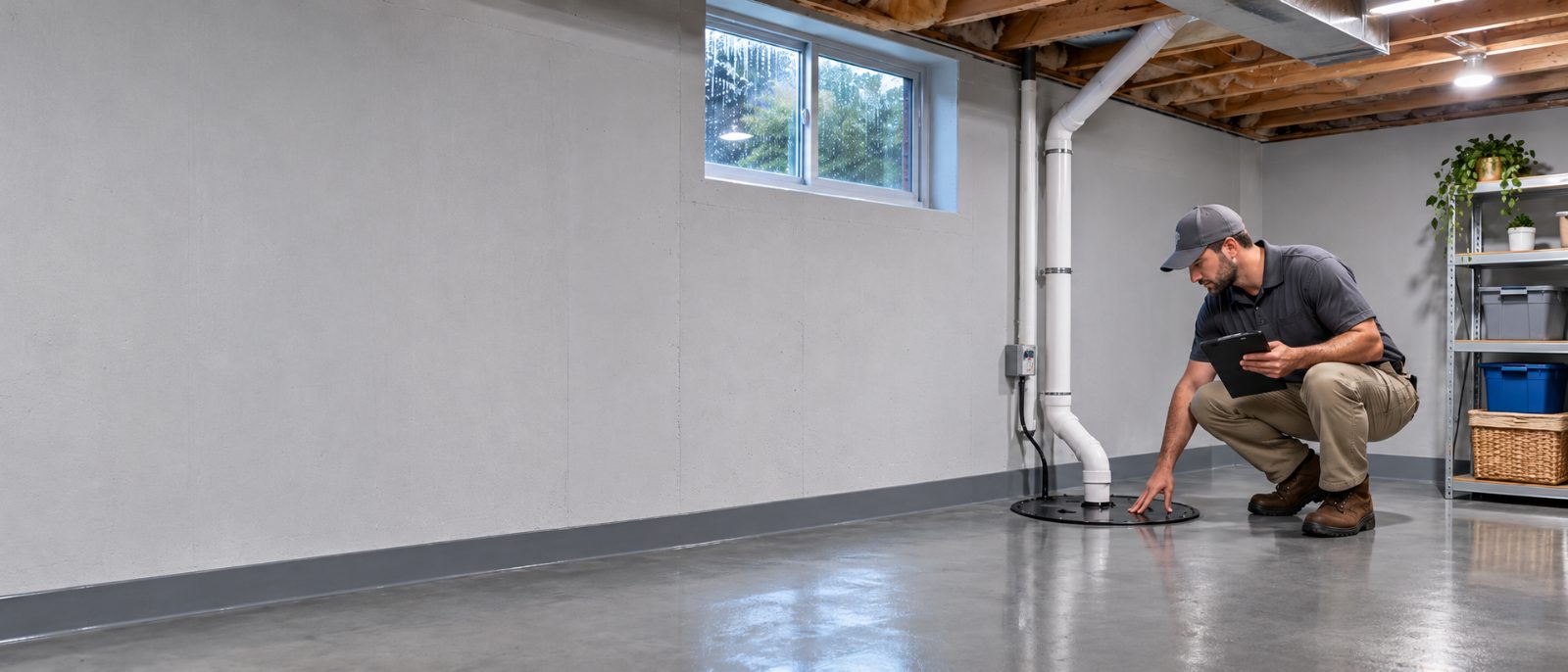
## Recognizing Structural Warning Signs Crack direction, width, displacement, and location all provide clues. Horizontal cracks and inward bowing in basement walls deserve particular attention because they can be associated with lateral soil pressure. Diagonal cracks and uneven settlement may suggest a different type of movement. ## Why Water Management Matters Poor drainage can contribute to the conditions surrounding foundation movement. Even when structural repairs are necessary, moisture control around the home may still need attention to reduce continuing pressure and deterioration.
Cracks can develop in poured concrete, concrete block, and other foundation materials. Some remain stable and primarily create a moisture entry point. Others change over time or appear with visible displacement. The repair approach should reflect whether the crack is structural or nonstructural. We consider visible warning signs and whether further structural evaluation is appropriate before choosing a repair direction.
An inward-curving or leaning basement wall can indicate pressure from the surrounding soil. Horizontal cracking, stair-step cracks, and separation at wall connections may accompany this movement. Bowing walls should not be treated as a simple waterproofing issue. Stabilization options require attention to wall condition and structural needs, with qualified engineering input when necessary.
Uneven foundation movement can contribute to diagonal cracks, gaps around openings, and changes in floor levels. The symptoms may differ between homes with basement foundations and other foundation types. An assessment should distinguish actual structural settlement from ordinary material movement or isolated cosmetic defects. Repair planning depends on the cause, the extent of movement, and the structure involved.
Recurring moisture may contribute to staining, masonry deterioration, and damage to vulnerable foundation materials. Salt deposits and crumbling surfaces can indicate that water has been moving through the wall. Addressing only the damaged surface may leave the moisture source unchanged. A practical repair plan considers both the affected material and surrounding water conditions.
Visible cracks are considered according to their potential cause, not merely how easy they are to cover.
We consider how soil moisture and drainage may contribute to foundation conditions.
When warning signs suggest a significant structural issue, we recognize the importance of further professional evaluation.
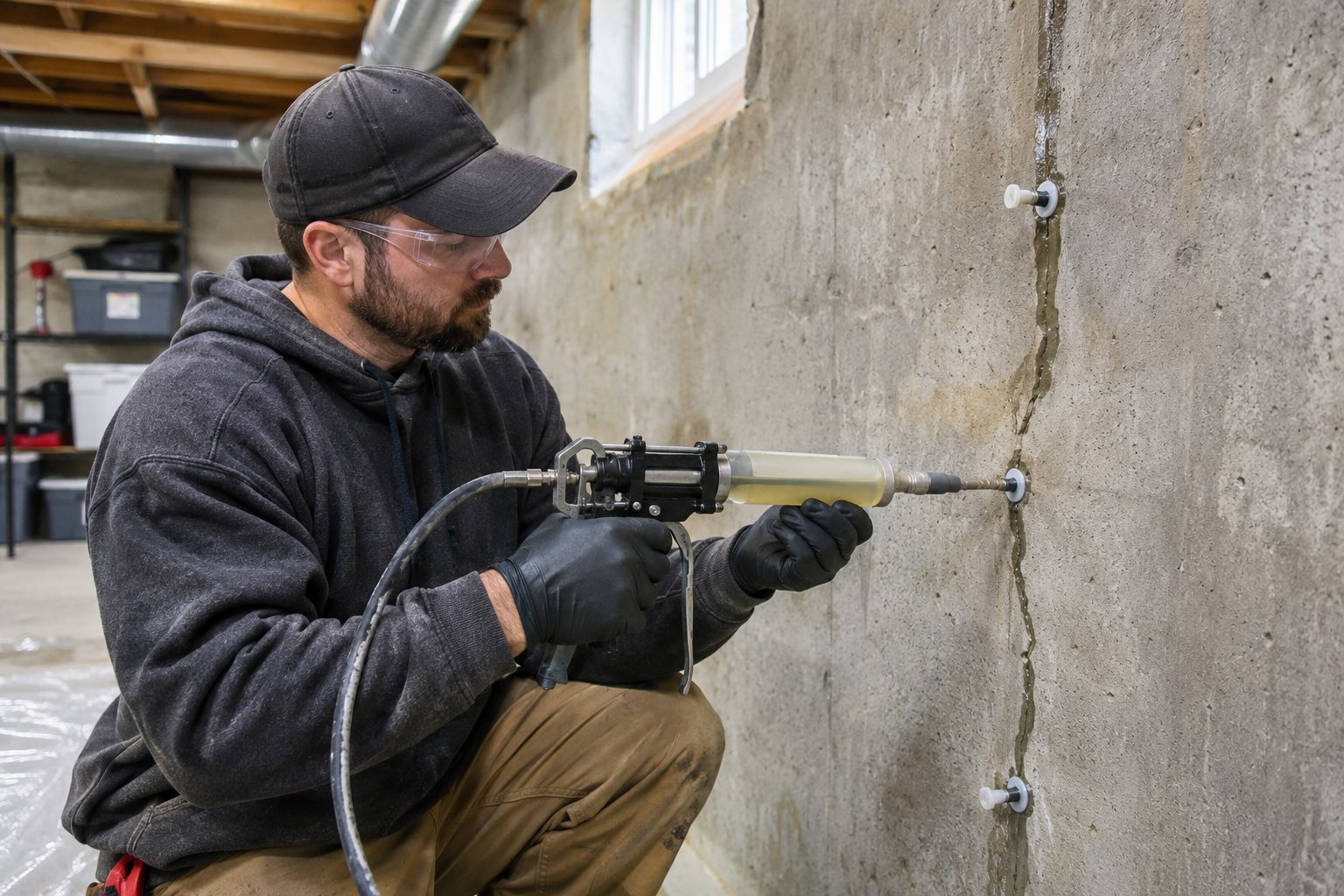
Do not ignore a foundation wall that appears to be moving or cracking further.
Free — no obligations
Discuss cracking, movement, water intrusion, and other noticeable changes.
Review crack patterns, wall alignment, material condition, and signs of moisture.
Distinguish localized repairs from issues that may require structural assessment or stabilization.
Outline the proposed remedy and any related drainage considerations.