Basement Water Control in Northeast Indiana
Basement Waterproofing in Fort Wayne, IN
Dealing with a wet basement? Tell us what you are seeing. Get a Free Estimate
Basement Water Control in Northeast Indiana
Dealing with a wet basement? Tell us what you are seeing. Get a Free Estimate
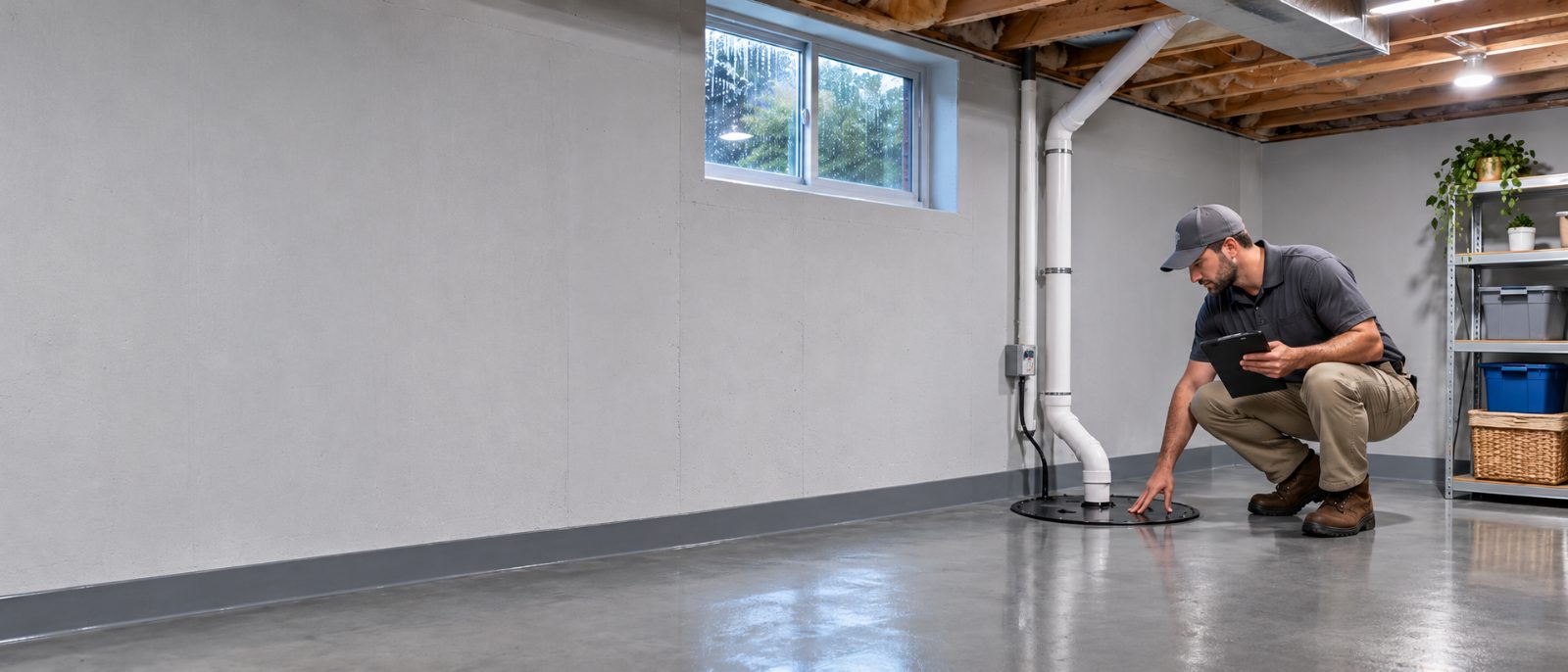
A wet basement can turn a useful part of your home into a constant source of worry. Water along the floor, damp foundation walls, musty smells, and recurring puddles are signs that moisture may be finding a way inside. At Basement Waterproofing Fort Wayne, we focus on understanding where that water is coming from and what can be done to control it. Whether you have a small leak after heavy rain or a basement that takes on water regularly, the goal is to find a solution that fits your property.
Fort Wayne homes face changing weather, seasonal rainfall, snowmelt, and periods when the ground stays saturated. These conditions can place pressure on basement walls and expose weaknesses in drainage systems. Older homes and newer construction can both develop water problems for different reasons. We help homeowners sort through those possibilities without assuming every basement needs the same waterproofing system.
Fort Wayne has a wide range of homes, from established neighborhoods near the city center to newer subdivisions on the north and southwest sides. Basement construction, grading, drainage, and foundation conditions vary from one property to another. A home near the older residential streets around Lakeside Park may have different moisture concerns than a newer house near Dupont Road or Illinois Road. Understanding those differences is an important part of choosing an effective waterproofing approach.
At Basement Waterproofing Fort Wayne, we believe basement water problems should be explained in plain language. Homeowners deserve to know whether moisture appears to be entering through a crack, collecting along a wall-floor joint, moving through porous materials, or coming from an issue with the surrounding drainage. We look at the signs, consider the conditions around the home, and discuss the practical options before recommending work.
More about us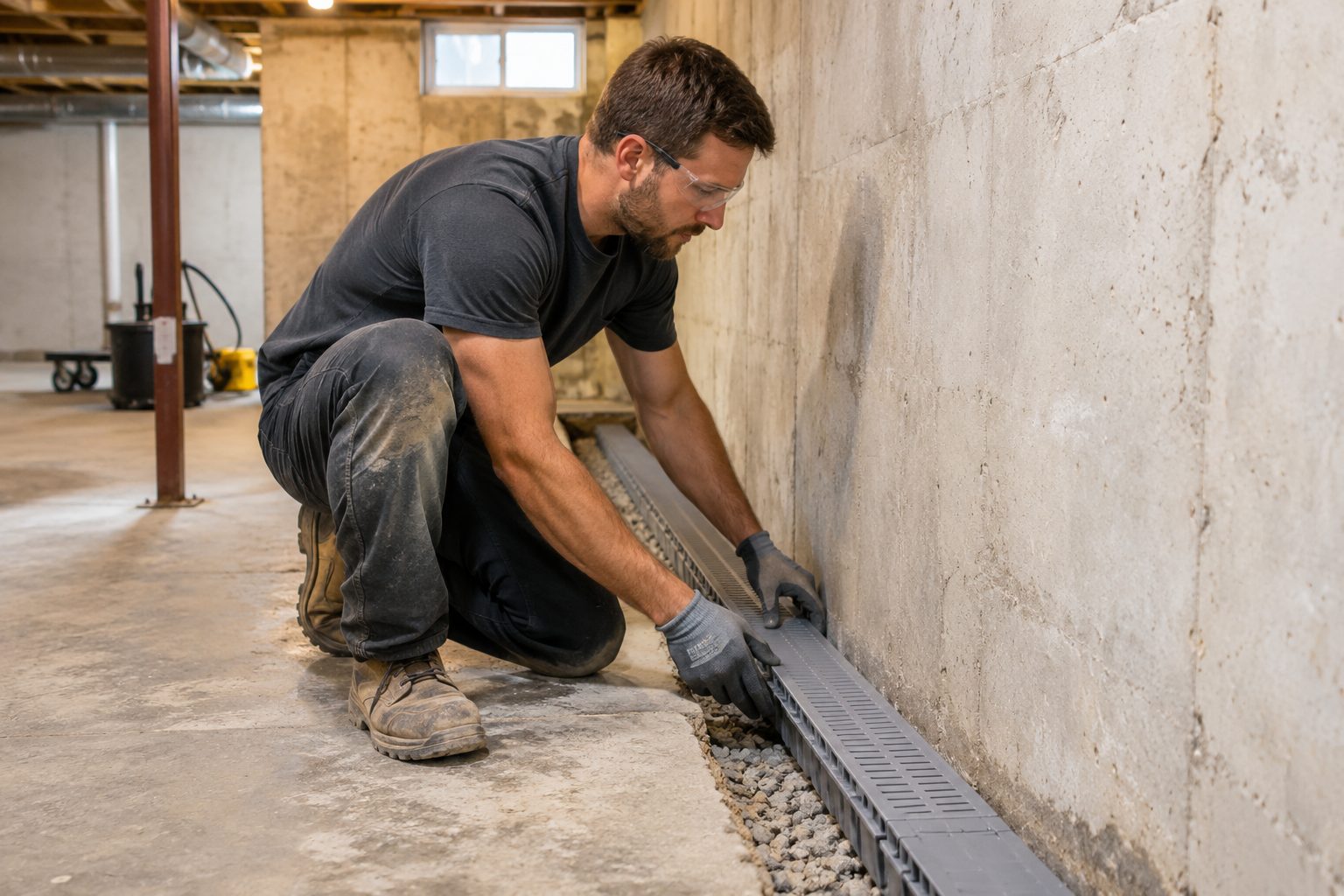
Our services address common causes and consequences of basement and foundation moisture. From controlling water that collects at the lowest point of a basement to addressing cracks and crawlspace dampness, the right approach starts with understanding the problem rather than selecting equipment first.
Address foundation cracks, wall movement, and moisture-related concerns with a problem-focused repair approach.
Learn more →Reduce crawlspace moisture, standing water, and ground vapor with practical water control measures.
Learn more →Combine drainage, water collection, pumping, and targeted repairs into one coordinated waterproofing plan.
Learn more →Move collected basement water away from your foundation with appropriately planned sump pump equipment.
Learn more →Investigate leaking basement cracks and select repair methods appropriate to their condition and cause.
Learn more →Water in a basement does not always enter through an obvious opening. Sometimes it collects where the wall meets the floor. In other homes, water travels through a foundation crack, enters around a utility penetration, or appears when groundwater rises after extended rainfall.
An effective waterproofing plan considers how water reaches the foundation, where it enters, and how it can be collected or redirected. This may involve interior drainage, sump pump equipment, targeted crack repairs, or a combination of measures. The purpose is to reduce unwanted water and make basement conditions more manageable.
We focus on practical solutions that match the signs present at your home. A small isolated leak calls for a different conversation than widespread water along several basement walls. If you are unsure where the moisture is coming from, describing when and where it appears is a useful starting point.
Foundation cracks can be unsettling, especially when they allow water into the basement. Some cracks develop as concrete cures or moves with normal environmental changes. Others may reflect settlement, pressure, or a more significant structural issue.
The location, width, pattern, and movement of a crack all matter. A narrow vertical crack that leaks during heavy rain is not the same as a widening stair-step crack in a block wall. Bowing walls, noticeable displacement, and doors that suddenly stop closing properly deserve particular attention.
Our foundation repair service focuses on evaluating visible warning signs and discussing appropriate next steps. Water sealing and structural repair are not interchangeable. When a crack indicates a possible structural concern, the underlying condition should be evaluated rather than simply covered.
A damp crawlspace can affect the space directly above it. Moisture may contribute to musty odors, condensation on cold surfaces, and conditions that support mold growth or damage to vulnerable building materials.
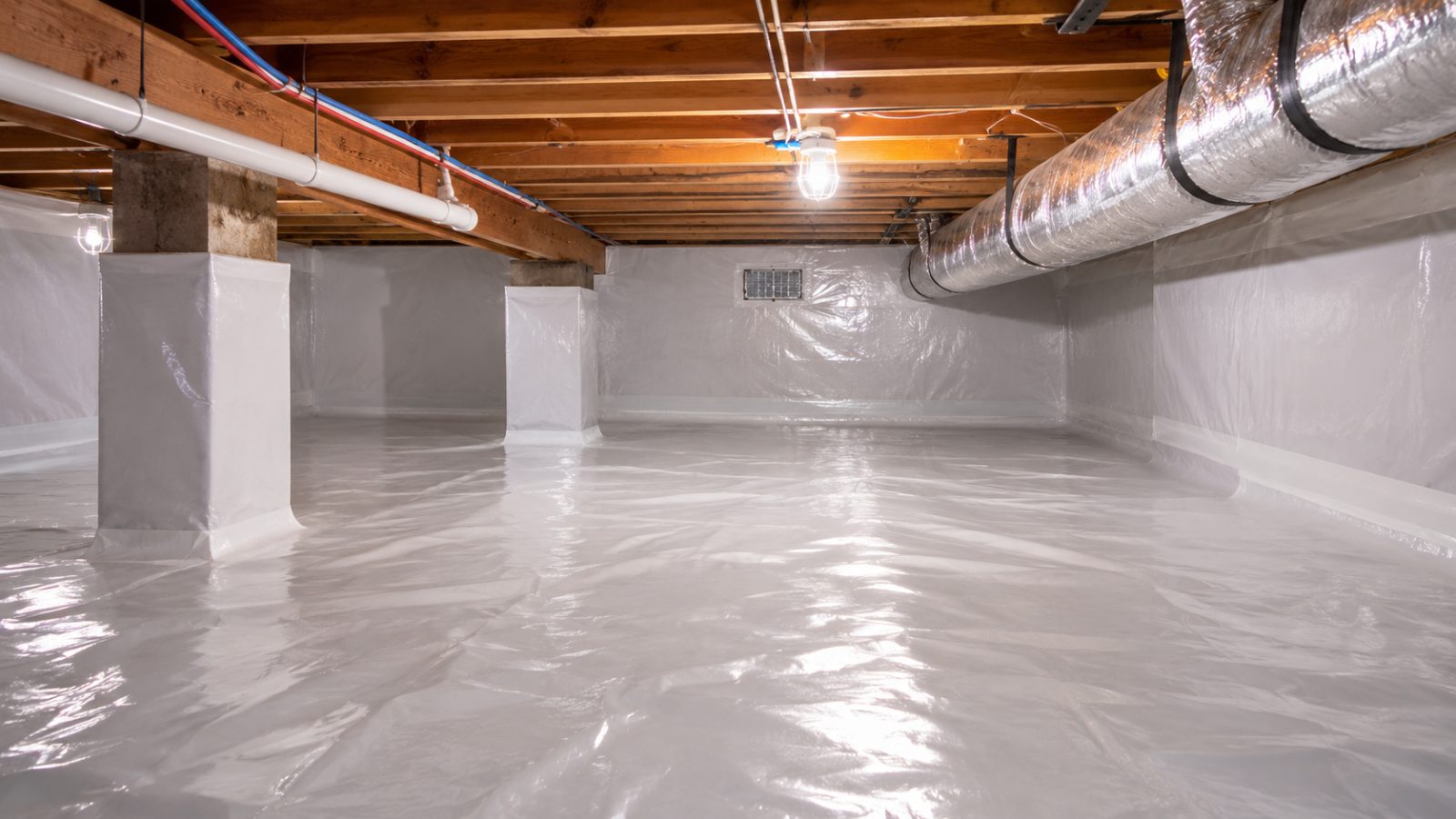
Crawlspaces often have different needs than full basements. Ground moisture, exposed soil, drainage around the foundation, ventilation conditions, and the presence of standing water all influence the problem. Possible solutions may involve ground vapor control, drainage improvements, or water removal equipment depending on what is found.
We help homeowners understand the distinction between controlling moisture vapor and addressing actual water intrusion. A vapor barrier alone may not resolve a crawlspace that regularly takes on standing water.
Some basements have more than one water entry point. A homeowner may notice seepage at the wall-floor joint, moisture behind stored items, and water collecting near the sump pit after long storms. Treating only one location can leave the rest of the problem untouched.
A multistep waterproofing system brings several compatible measures together. Depending on the property, these can include interior water collection channels, drainage connections, sump pump equipment, and treatment of specific cracks or penetrations.
The components should work as a coordinated system. Water needs a predictable collection path and a suitable discharge location. We explain what each proposed component is intended to accomplish so homeowners can understand the complete plan.
A sump pump is an important part of many basement water management systems. It collects water from a sump basin and moves it away from the foundation through a discharge line. When properly matched to the drainage conditions, a sump pump can help manage water that would otherwise accumulate in the basement.
Pump selection involves more than choosing a unit from a shelf. Basin condition, expected water volume, discharge routing, electrical supply, and backup needs can affect performance. An improperly routed discharge may allow water to return toward the home.
We discuss sump pump installation as one part of the broader moisture control picture. A pump may be necessary, but it cannot solve every source of basement water on its own.
A foundation crack may be the most visible sign of basement water intrusion. Water can follow a narrow opening through concrete, leaving staining, mineral deposits, or damp patches along the wall.
Crack repair methods depend on the wall material, the condition of the crack, whether water is actively entering, and whether movement is involved. Some nonstructural concrete cracks may be suitable for injection or localized sealing. Structural cracks require a different evaluation.
Our approach is to identify what the crack is doing before discussing repair options. Covering the surface without understanding the water path may provide little benefit if the surrounding conditions remain unchanged.
Fort Wayne sits in a region shaped by the St. Marys, St. Joseph, and Maumee river systems. That does not mean every home faces river flooding, but it is a reminder that water movement is a major part of the local landscape. Heavy rainfall, saturated soil, and seasonal thawing can contribute to moisture problems around residential foundations.
Homes can also have very different drainage behavior within the same neighborhood. Yard slope, downspout placement, soil conditions, paving, landscaping, and neighboring grades can influence where water collects. Even relatively new homes may experience seepage if surrounding water is not managed effectively.
A useful basement waterproofing assessment looks both inside and outside the building. Interior water marks tell part of the story, while grading and drainage patterns can help explain why moisture shows up at certain times.
Not every basement issue begins with deep standing water. Early signs include peeling wall coatings, white mineral residue on masonry, damp carpet edges, swollen baseboards, recurring condensation, and an odor that becomes stronger after rain.
A single damp spot may have several possible causes, including seepage, plumbing leaks, condensation, or exterior drainage problems. The distinction matters because the remedy changes with the source.
If you find new cracks, photograph them and note whether they change over time. If water appears during storms, record the location and approximate timing. These details can help narrow the causes and make a future assessment more useful.
We believe a good starting point is a clear conversation about the symptoms. When does water appear? Which walls are affected? Has the problem changed recently? Is there already a sump pump? Has any waterproofing work been completed before?
From there, the goal is to review the relevant conditions and explain suitable options. Some homes may benefit from targeted repairs. Others may require a coordinated drainage and pumping system. We avoid treating waterproofing as a one-size-fits-all purchase.
Before work moves forward, homeowners should understand the proposed scope, the purpose of each measure, and any factors that may require further investigation.
Our primary service area is Fort Wayne, Indiana, including residential areas around downtown, North Anthony Boulevard, Georgetown, the Dupont Road corridor, and the city's expanding suburban neighborhoods. We also feature service-area coverage in Huntertown, Auburn, New Haven, and Coesse.
Huntertown homeowners may be dealing with drainage around newer construction or established properties near the older town center. Auburn has historic homes as well as newer residential developments, each with different foundation considerations. New Haven includes established neighborhoods shaped by the Maumee River corridor, while Coesse has a more rural setting where lot drainage and groundwater conditions deserve attention.
We approach each property according to its actual conditions rather than making assumptions based on its town or age.
Basement waterproofing is about protecting useful living and storage space, limiting unwanted moisture, and addressing the paths water takes into a home. The best next step depends on what is happening at your property.
Whether you have recently noticed a wet basement wall or have dealt with recurring leaks for several seasons, Basement Waterproofing Fort Wayne can help you explore the available options. Share the symptoms, ask questions, and begin with an explanation you can understand.
See all service areas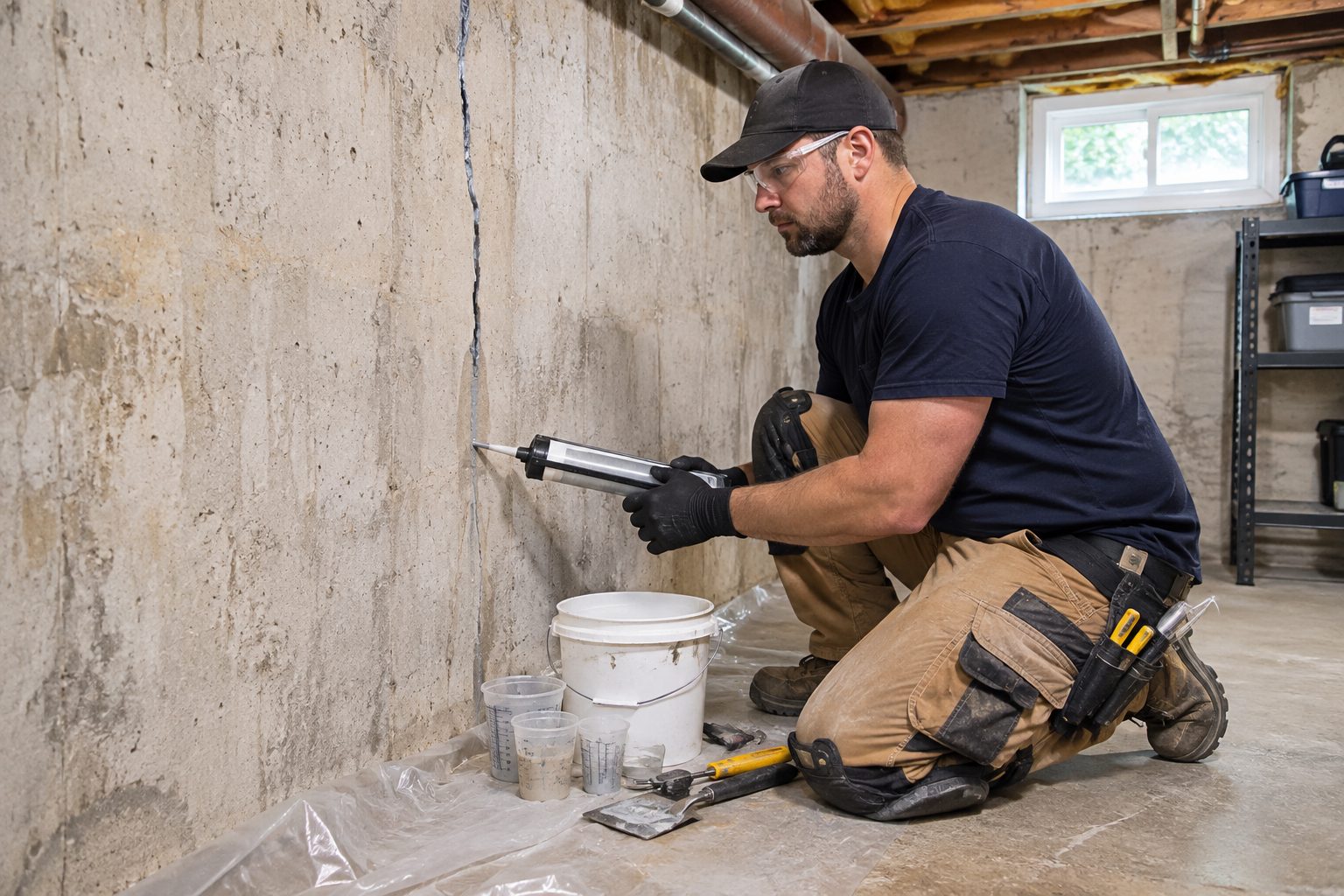
We focus on understanding how moisture reaches the home before discussing waterproofing methods. That helps keep the recommendations relevant to the actual problem.
Waterproofing terminology can be confusing. We explain drainage, pumps, cracks, and repair options in everyday language.
Fort Wayne rainfall, soil moisture, grading, and basement construction all influence water intrusion. We consider these factors when reviewing a property.
We distinguish between isolated leaks and situations that may call for multiple waterproofing measures.
Heavy rain can saturate the soil surrounding your foundation and increase pressure on basement walls and floors. Water may enter through cracks, joints, or openings around pipes. An assessment can help identify the entry path.
Many basement water problems can be managed with interior drainage and sump pump systems. Other situations may call for exterior work or targeted repairs. The most suitable method depends on the source and severity of the water.
Not necessarily. Occasional water intrusion may result from a localized crack, grading issue, or another specific cause. A sump pump becomes more relevant when water needs to be collected and actively removed.
No, some cracks are related to concrete shrinkage or relatively minor movement. However, widening cracks, wall displacement, and bowing can indicate more significant concerns. A crack should be evaluated according to its pattern, location, and behavior.
Tell us about your basement water problem and the part of Fort Wayne you call home.
Free — no obligations