Coordinated Basement Water Management
Multistep Basement Waterproofing Systems
Explore a complete approach to recurring basement water. Get a Free Estimate
Coordinated Basement Water Management
Explore a complete approach to recurring basement water. Get a Free Estimate
Some Fort Wayne basements have several moisture problems happening at once. Water may collect along the foundation perimeter, enter through a crack, and overwhelm an existing sump pump during heavy rain. In these situations, repairing one visible leak may not address the other paths that water takes into the space.
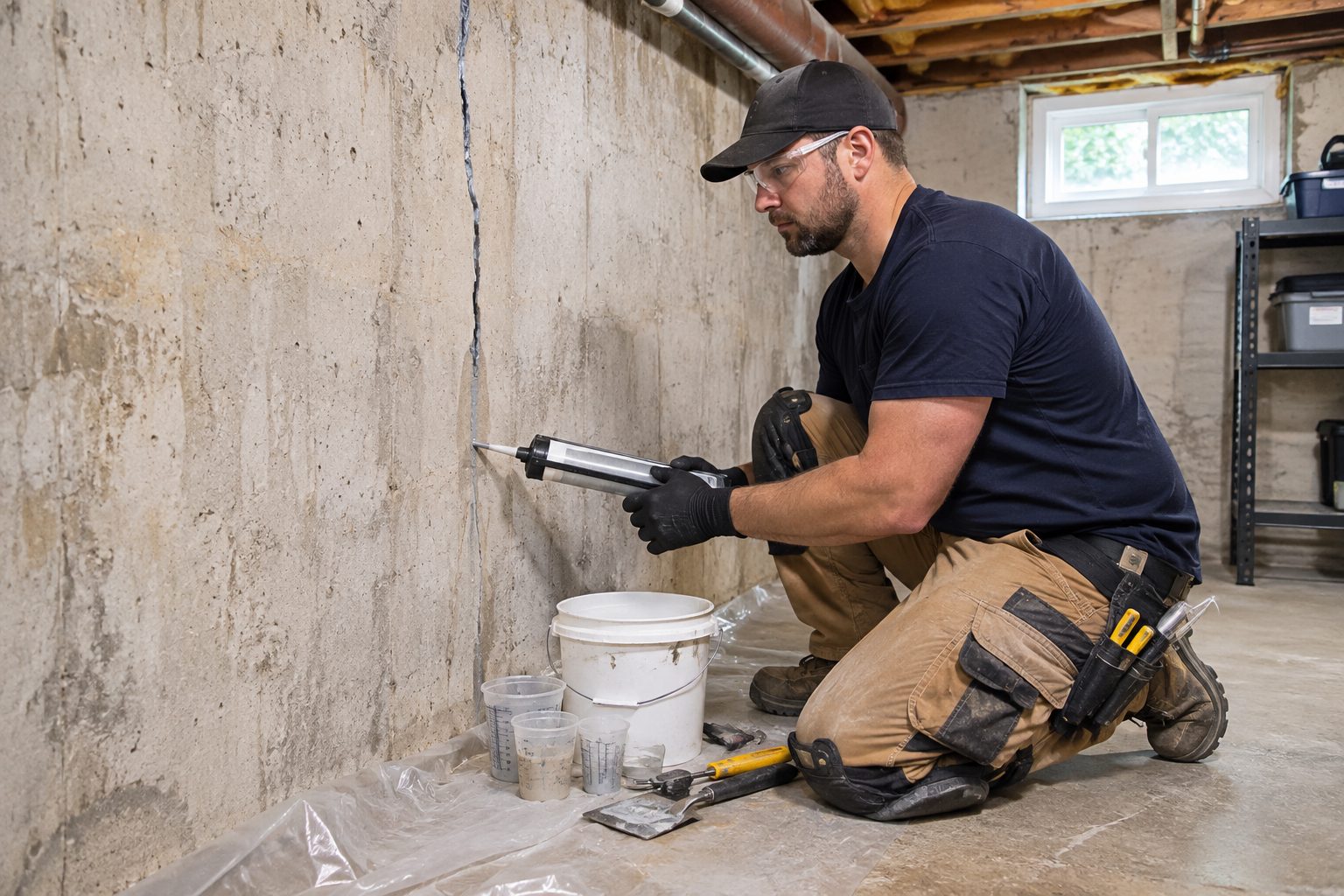
Multistep basement waterproofing systems bring compatible solutions together. Depending on the building, this may include water collection channels, a sump basin, pumping equipment, selected crack repairs, and attention to exterior drainage. Each component needs a clear purpose. We focus on explaining how the pieces work together so homeowners can understand the proposed system as a whole.
## Follow the Water from Entry to Discharge A comprehensive plan considers where water approaches the foundation, how it enters, where it collects, and how it leaves the property. A disconnected collection channel or poorly placed discharge can undermine other waterproofing measures. ## Build Around the Property A multistep system is not a fixed package. Basement size, wall construction, existing drainage, moisture patterns, and pump requirements all influence the appropriate combination.
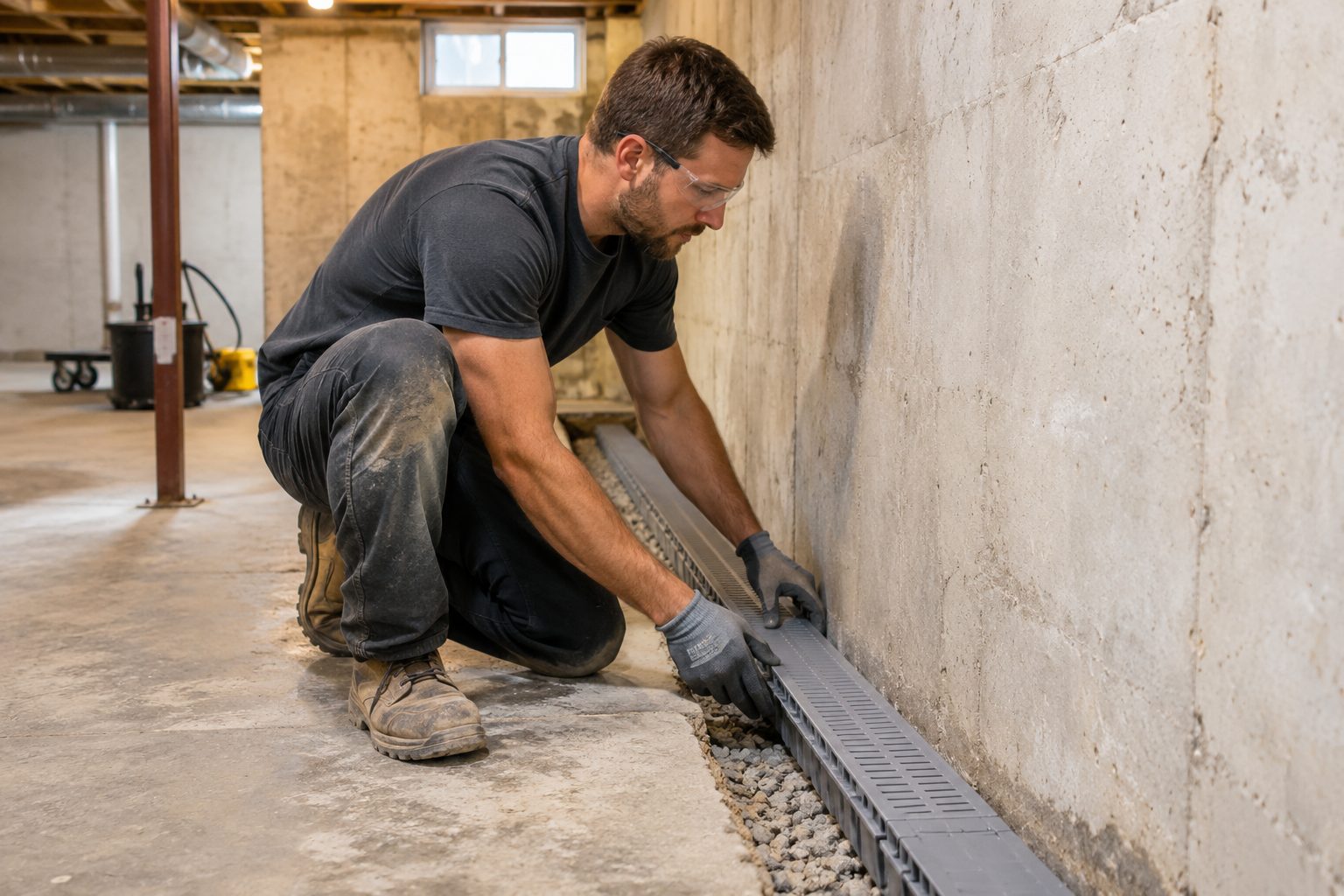
Water entering along foundation walls or the wall-floor joint can be directed toward an interior collection system. This can help manage seepage affecting multiple areas of the basement. The system must provide a continuous route toward a suitable collection point. Layout and installation details depend on the existing slab, foundation, and water entry pattern.
A sump basin gathers water directed through the drainage network, while the pump moves it to an appropriate discharge location. Both parts must be planned together to support reliable operation. Capacity, basin arrangement, power supply, discharge routing, and the possibility of power interruptions should be considered as part of the system design.
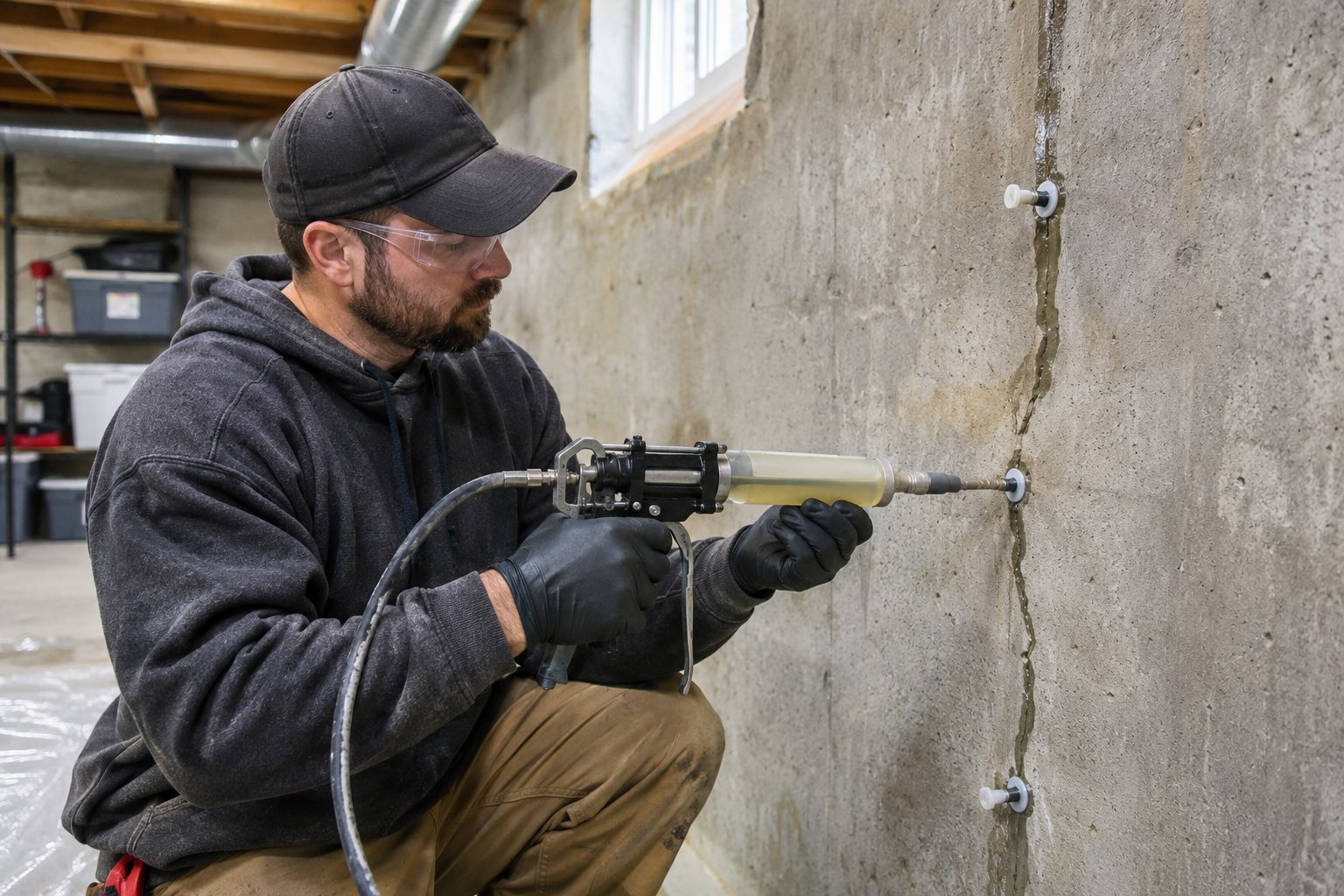
Even with perimeter drainage, certain cracks or penetrations may require specific attention. These entry points can direct water onto walls or other surfaces before it reaches a collection channel. Repair methods depend on material condition and whether the opening is structural. Treating these locations helps create a more complete water management plan.
Collected water needs a suitable place to go after it leaves the basement. Discharge that ends too close to the foundation may contribute to the same moisture problem the system is intended to manage. Routing decisions should account for property drainage, freezing conditions, and applicable local requirements. Exterior grading and downspout conditions may also need review.
Waterproofing systems include components that may require periodic attention. Pumps, float switches, discharge lines, and backup equipment can affect performance during heavy water events. Discussing maintenance and power interruption risks helps homeowners understand the responsibilities that come with a drainage and pumping system.
Each proposed component has a role in collecting, controlling, or removing unwanted water.
We discuss the combination of measures based on observed conditions rather than assuming every basement needs every feature.
Homeowners should be able to understand where the water goes and how the system is expected to operate.
For repeated or widespread basement seepage, ask about a coordinated waterproofing approach.
Free — no obligations
Review recurring leaks, damp walls, floor seepage, and existing drainage.
Consider how water can move from problem areas to an appropriate collection point.
Evaluate pumping, discharge, crack treatment, and other necessary measures.
Clarify system purpose, expected behavior, and maintenance considerations.