Basement Solutions for Auburn Homeowners
Basement Waterproofing in Auburn, IN
Have water entering your Auburn basement? Get a Free Estimate
Basement Solutions for Auburn Homeowners
Have water entering your Auburn basement? Get a Free Estimate
Auburn has a distinctive residential landscape, with established homes around downtown and the DeKalb County Courthouse as well as newer neighborhoods extending beyond the historic center. Older foundation materials, previous renovations, and changing drainage conditions can all influence how moisture enters a basement.
Cedar Creek passes through Auburn, including the area around Eckhart Park. Properties near waterways may have particular drainage considerations, but proximity alone does not determine basement risk. Ground elevation, flood exposure, soil saturation, and foundation condition need to be considered individually. We help homeowners make sense of the water symptoms they are seeing instead of assuming that every damp basement has the same cause.
The neighborhoods surrounding downtown Auburn and Eckhart Public Library include older homes with construction details that may differ from newer poured-concrete basements. Some older foundations use masonry that can allow moisture to move through joints or deteriorated materials. Past repairs and changes to exterior grading can also affect water entry.
A damp historic basement is not always a sign that the entire foundation needs replacement. The first task is to understand whether the moisture is entering through a specific defect, moving through a larger section of wall, or accumulating along the floor perimeter.
Waterproofing methods must respect the foundation material. A repair suitable for a modern concrete wall may not be appropriate for older masonry.
Auburn homeowners know that Cedar Creek is part of the city's landscape. During significant rainfall, water levels and saturated ground can become important concerns for some properties. However, a home can experience basement seepage even when it is nowhere near a mapped flood area.
Surface runoff from roofs, driveways, and neighboring lots can concentrate water beside the foundation. A buried or poorly directed downspout may contribute to recurring dampness. In other cases, groundwater movement beneath the basement floor may be a more significant factor.
We encourage homeowners to look at when the symptoms occur. Water that appears only after intense rain suggests a different investigation from dampness that remains constant through dry weather.
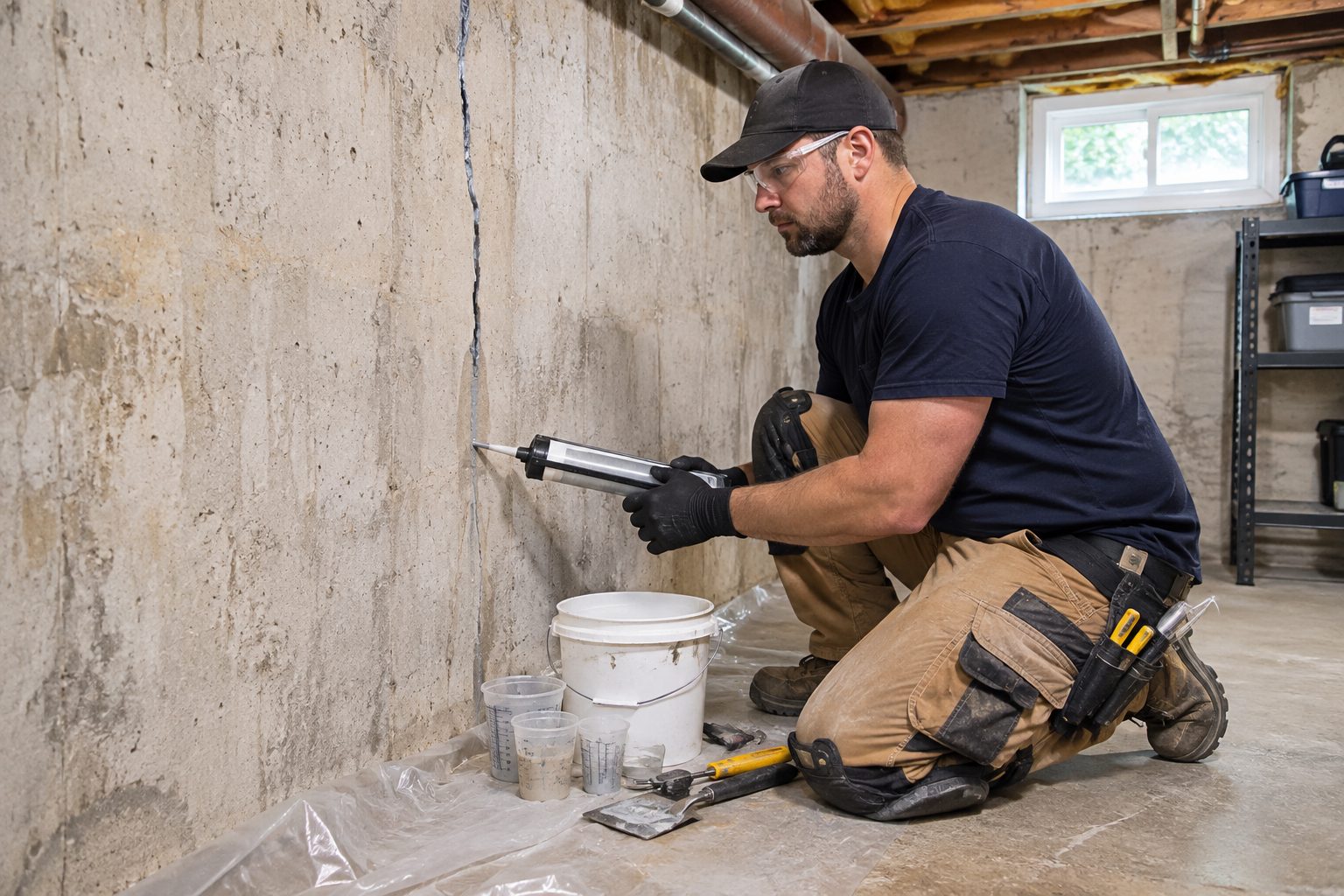
Foundation cracks deserve attention when they leak, widen, or appear with visible wall movement. Poured concrete cracks may sometimes be suitable for injection or targeted sealing. Cracks in masonry require consideration of the joints, blocks, and surrounding structure.
Horizontal cracks, inward bowing, and changes in wall alignment can suggest more serious foundation concerns. These conditions require appropriate structural evaluation, not simply a waterproof surface coating.
When a crack is the main source of water, understanding its behavior can help avoid unnecessary work elsewhere.
Not all Auburn homes are historic. Neighborhoods around the Bridgewater area and other newer residential developments may have different basement and grading arrangements. Finished lower levels can make even a modest leak disruptive when flooring, insulation, or stored belongings are affected.
Newer properties can experience water entry at the wall-floor joint, around service penetrations, or where the surrounding yard directs runoff toward the house. An assessment should consider how the home was built and how the current landscaping influences drainage.
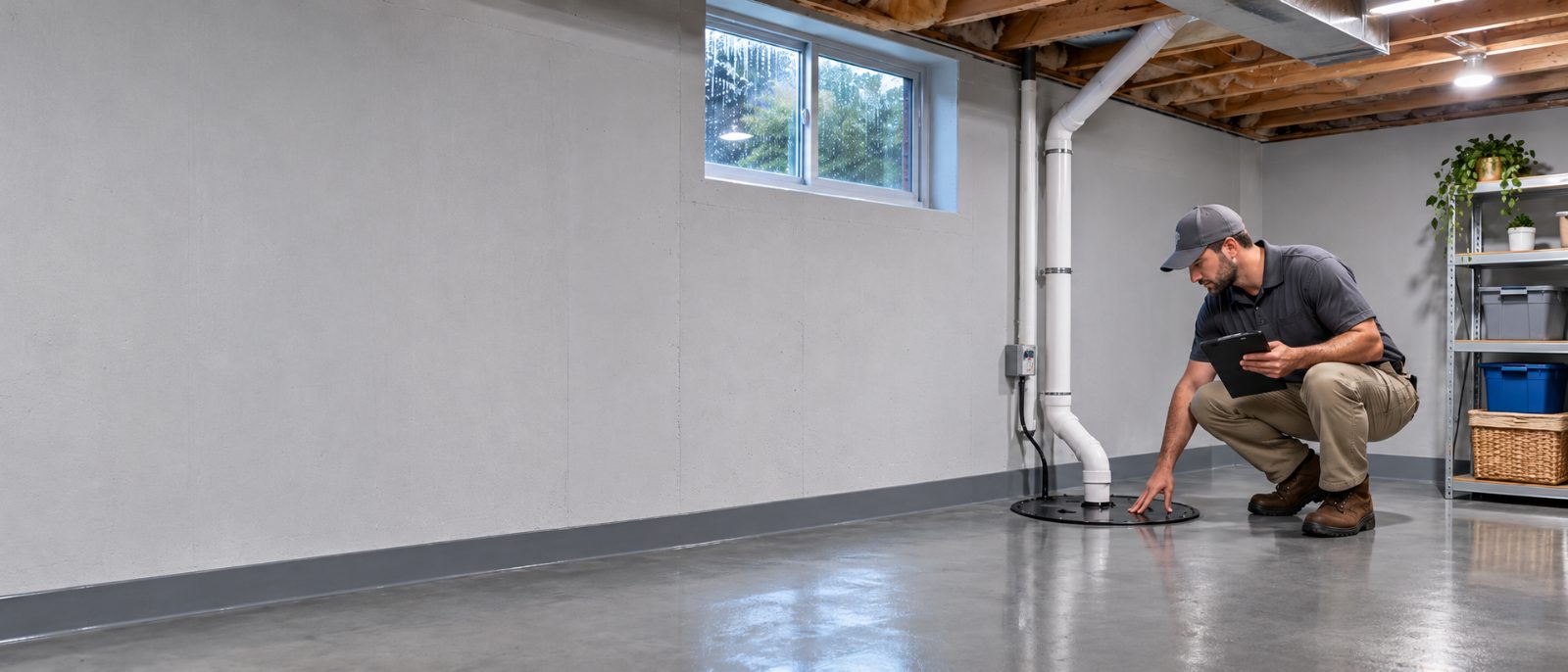
Where water arrives at several points, an interior collection system and sump pump may be worth discussing. When the leak is limited to one stable opening, a localized approach may be more suitable.
An Auburn basement may be a laundry room, a workshop, a family area, or an unfinished storage space. Whatever its use, recurring moisture makes the space less dependable. Addressing the source can help reduce repeated cleanup and the risk of damage to vulnerable materials.
We believe homeowners should understand the reason behind a waterproofing recommendation. That includes what is causing the problem, which measures are intended to control it, and what limitations may remain.
If you live in Auburn, IN, explain what happens during wet weather and what signs you notice on your foundation walls or floor. Call 305 555 0199 to begin the conversation.
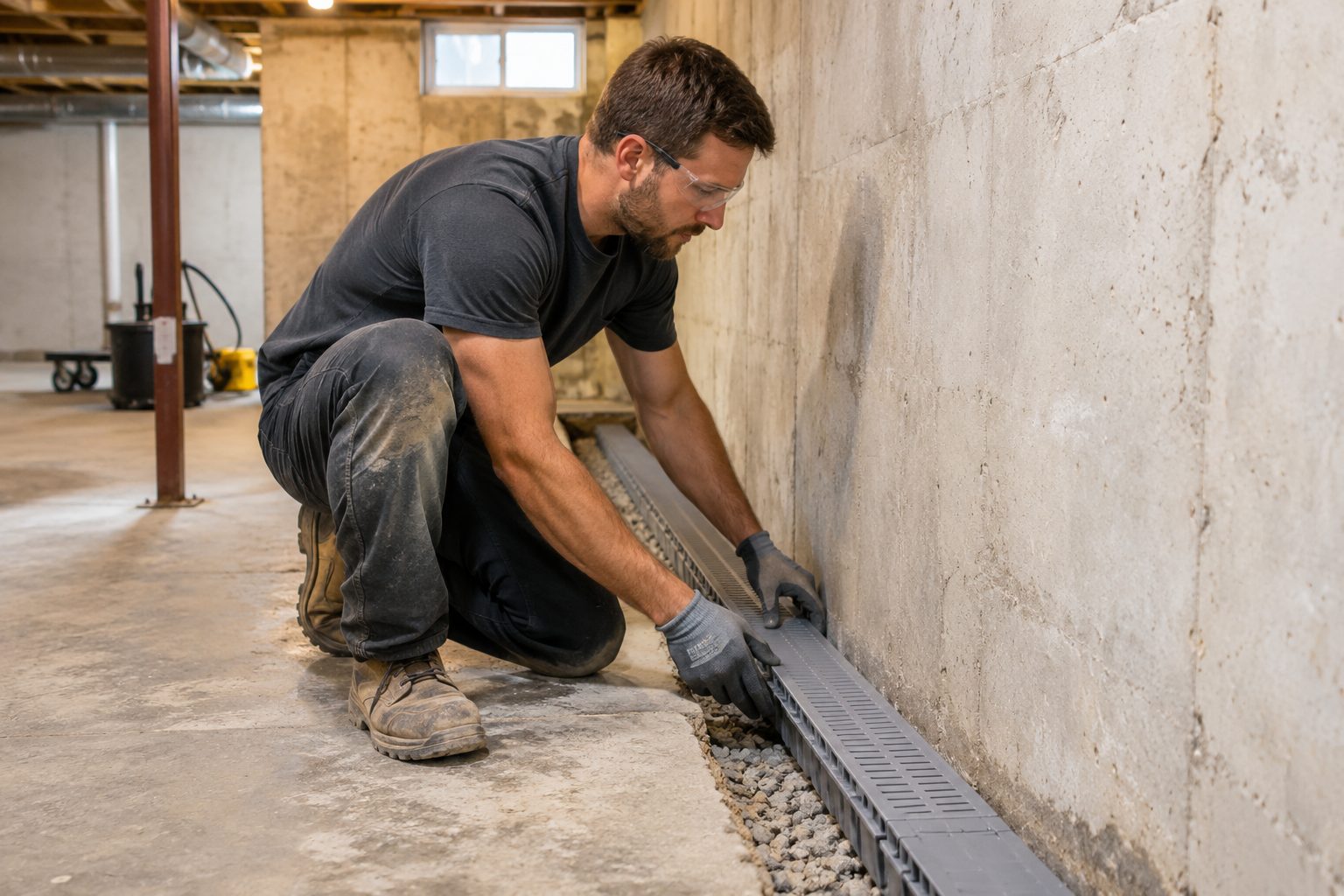
Older masonry and modified foundations deserve methods suited to their material and condition.
We consider drainage, groundwater, and the property's relationship to the surrounding landscape.
We distinguish ordinary water entry problems from warning signs that may involve structural movement.
Whether your Auburn home is near downtown or a newer neighborhood, discuss basement leaks in Auburn, IN at 305 555 0199.
Free — no obligations