Crawlspace Water and Moisture Control
Crawlspace Waterproofing in Fort Wayne
Worried about water beneath your home? Get a Free Estimate
Crawlspace Water and Moisture Control
Worried about water beneath your home? Get a Free Estimate
A crawlspace may be out of sight, but moisture beneath the floor can create noticeable problems. Musty odors, damp insulation, condensation, and standing water may indicate that the area needs attention. In Fort Wayne, seasonal rainfall and damp soil can contribute to conditions that keep crawlspaces wet for long periods.
Crawlspace waterproofing is not the same as basement waterproofing. The exposed ground, limited working height, ventilation conditions, and foundation layout all affect what is appropriate. We focus on determining whether the problem is caused by groundwater entry, soil vapor, exterior drainage, or another source. The goal is a manageable crawlspace environment and a solution suited to how the home is built.
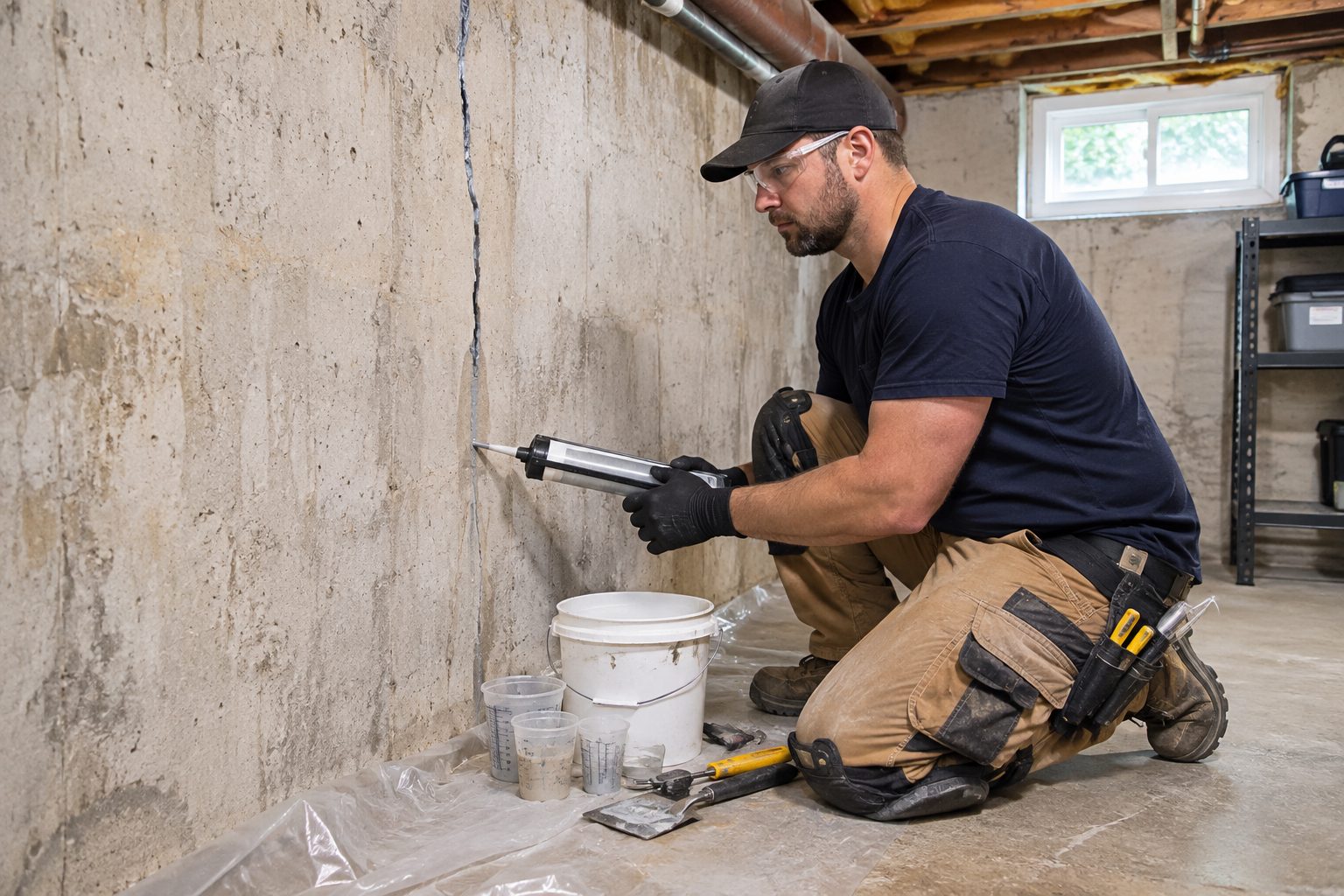
## More Than Just a Damp Floor Moisture can reach a crawlspace as liquid water or vapor. These two forms require different control strategies. A crawlspace with persistent standing water may need drainage before ground vapor control can perform as intended. ## Why the Space Above Matters Humidity and damp materials beneath the home can affect the condition of insulation, wood framing, and nearby surfaces. Managing moisture helps reduce conditions that support deterioration, although existing damage may require separate treatment.
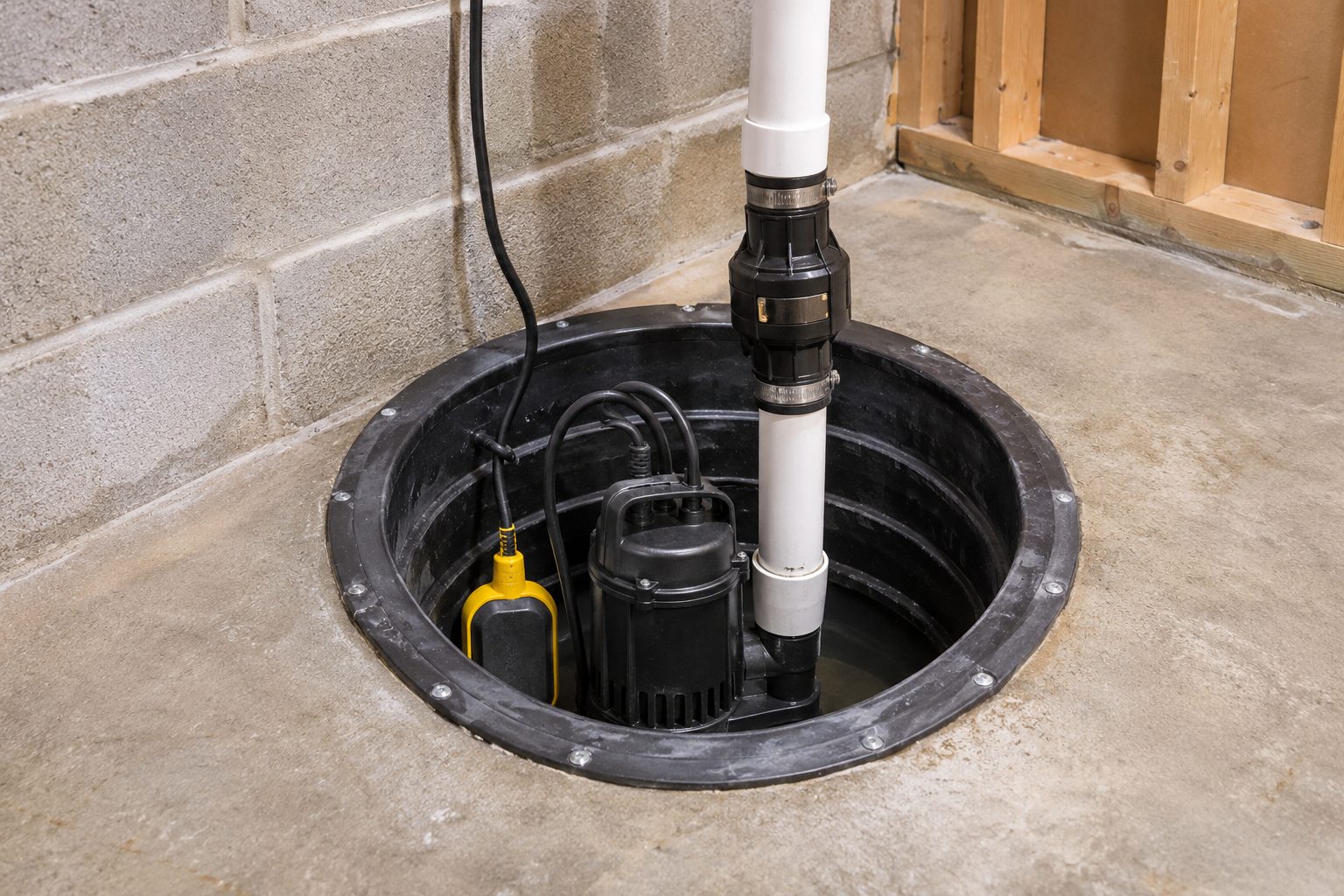
Puddles or pooled water can indicate poor grading, groundwater seepage, or drainage problems around the foundation. Water may enter through perimeter openings or collect at low spots beneath the home. The first priority is to understand the source and whether it returns after storms. Depending on the conditions, drainage improvements or a water collection and pumping arrangement may be needed.
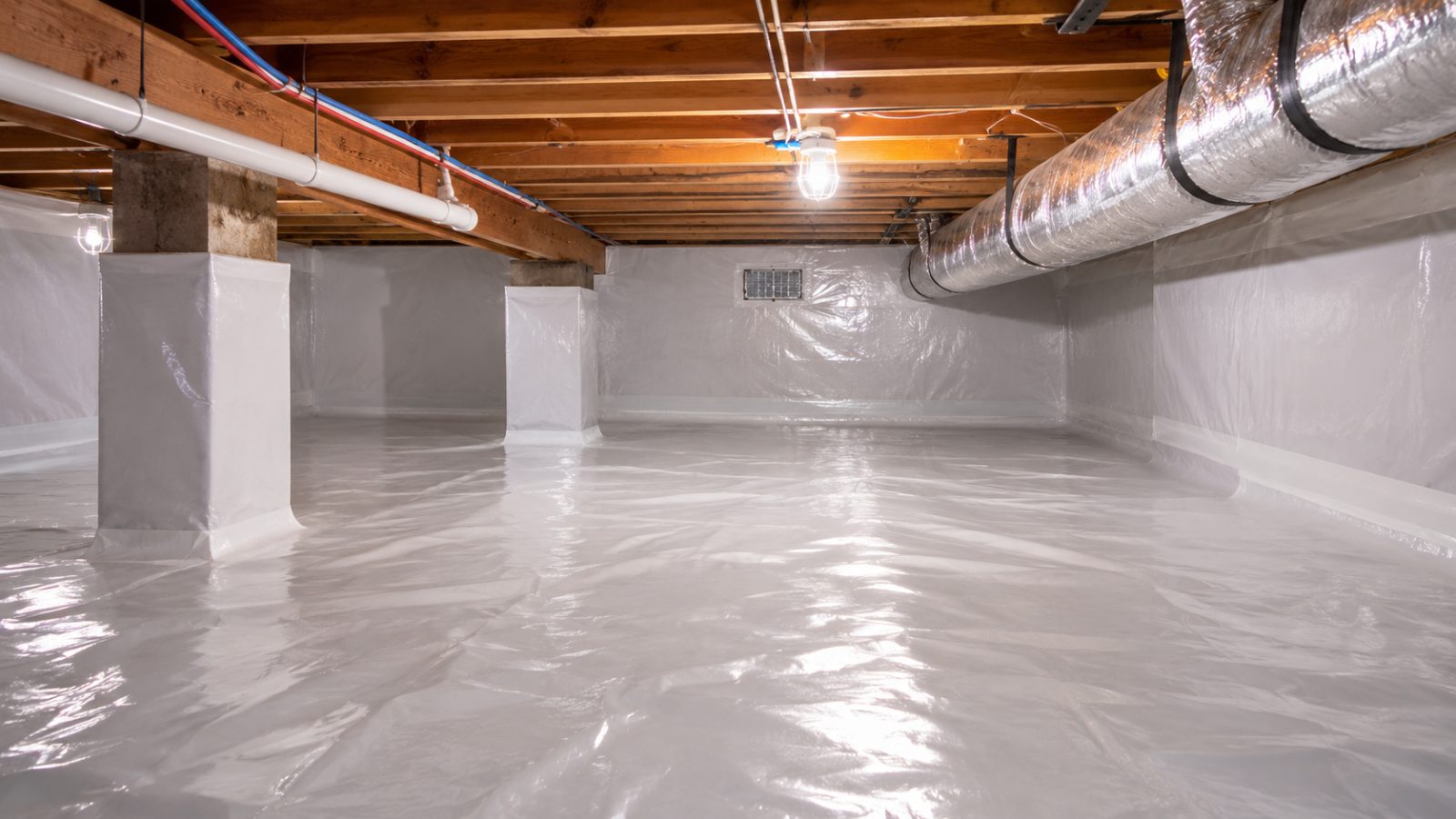
Exposed crawlspace soil can release moisture vapor into the space even when no puddles are visible. This may contribute to elevated humidity and condensation on cooler surfaces. A properly selected and installed ground vapor barrier can help limit moisture movement from the soil. Seams, edges, penetrations, and the overall crawlspace condition influence how well this measure works.
A low crawlspace can be difficult to dry if water repeatedly enters and has no reliable exit route. Collection channels or other drainage measures may help manage that water. Drainage planning takes account of available space, foundation details, elevation, and discharge requirements. A system should be selected for the actual water conditions rather than installed as a routine precaution.
Condensation may form when humid air contacts cooler crawlspace surfaces. Plumbing leaks and uncontrolled ground vapor can produce similar symptoms, so a damp crawlspace does not automatically indicate a groundwater problem. Reviewing the moisture pattern helps determine whether drainage, vapor control, ventilation changes, or another response is more appropriate.
We distinguish ground vapor from liquid water intrusion before discussing measures to control it.
Ground exposure, access, materials, and drainage all influence the suitable approach.
We explain why specific measures may be useful instead of assuming every crawlspace needs an identical system.
Learn what may be keeping your crawlspace damp.
Free — no obligations
Discuss odors, standing water, damp materials, and when the symptoms appear.
Consider soil exposure, exterior drainage, water entry, and condensation.
Discuss drainage, vapor control, and other relevant improvements.
Explain the intended benefits and limitations of each proposed measure.